
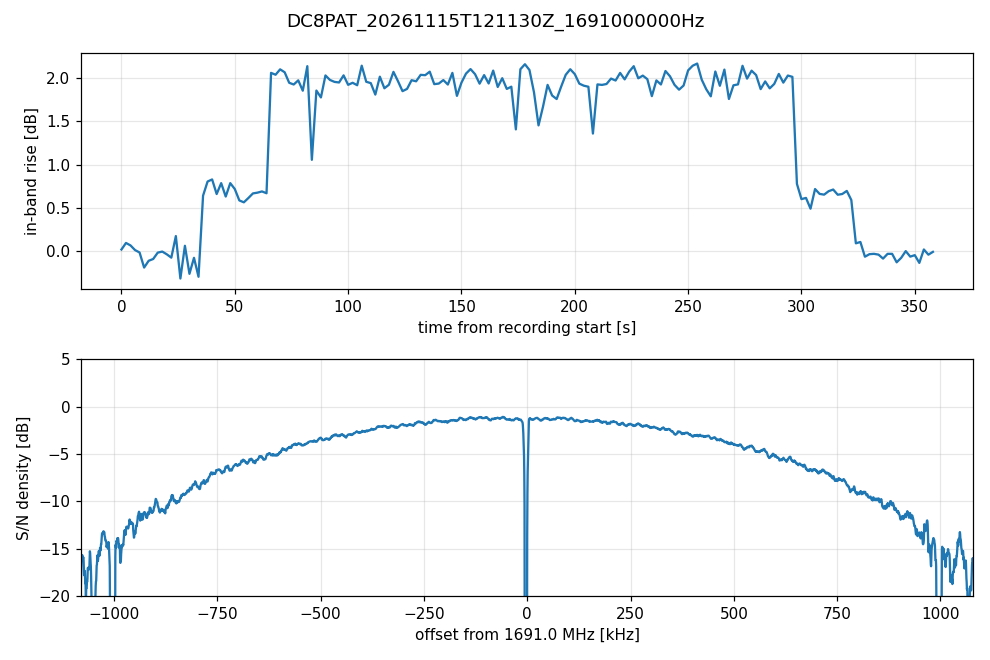
Elektro-L3 sends its high-resolution HRIT images at 1691 MHz every three hours, at xx:12 UTC. HRIT runs at 1.15 MS/s, far faster than the LRIT images we decode live on the Elektro-L3 ground station page, so each symbol carries much less energy. Our 85 cm dish gets an Es/N0 of about −1.5 dB on HRIT, and the decoder needs about +2 dB before the first frames come out.
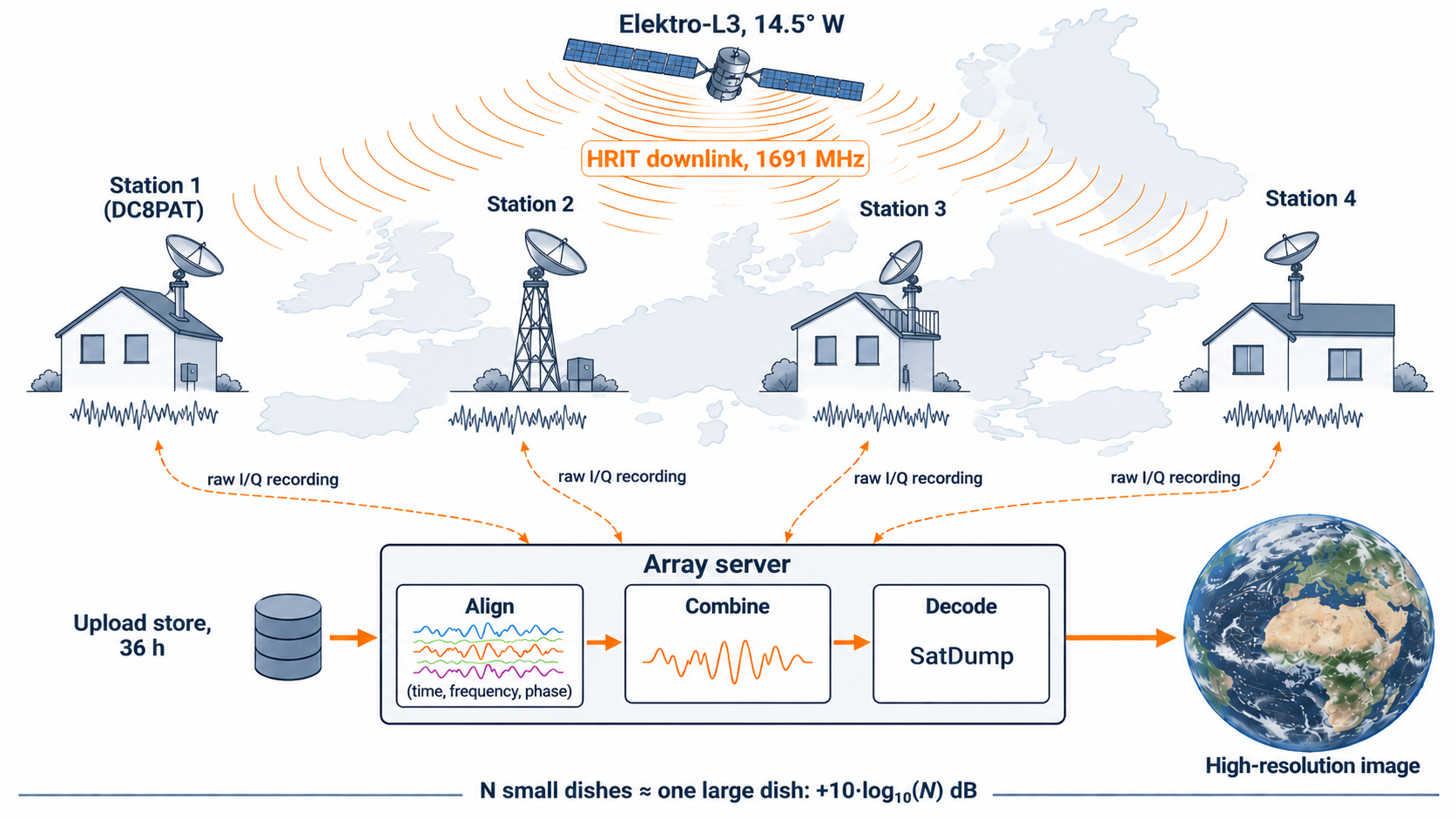
Instead of a bigger dish, the HRIT array uses several small ones. Every station records the same transmission as raw I/Q and uploads it. A server aligns the recordings and adds them coherently: the satellite signal is the same at every station, the noise is not. N equal stations give 10·log10(N) dB more than one, so two stations gain 3 dB and four stations 6 dB.
Latest HRIT images
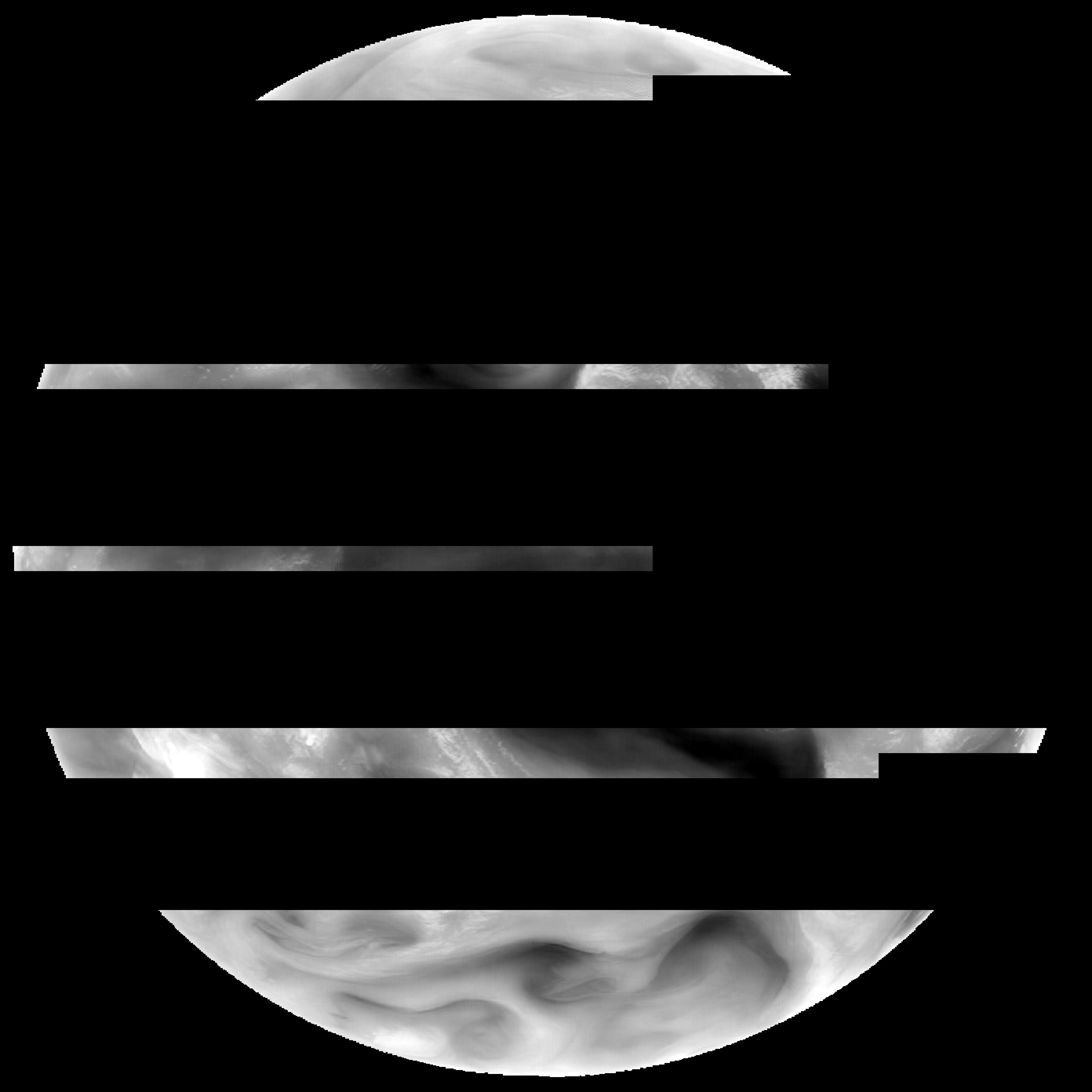
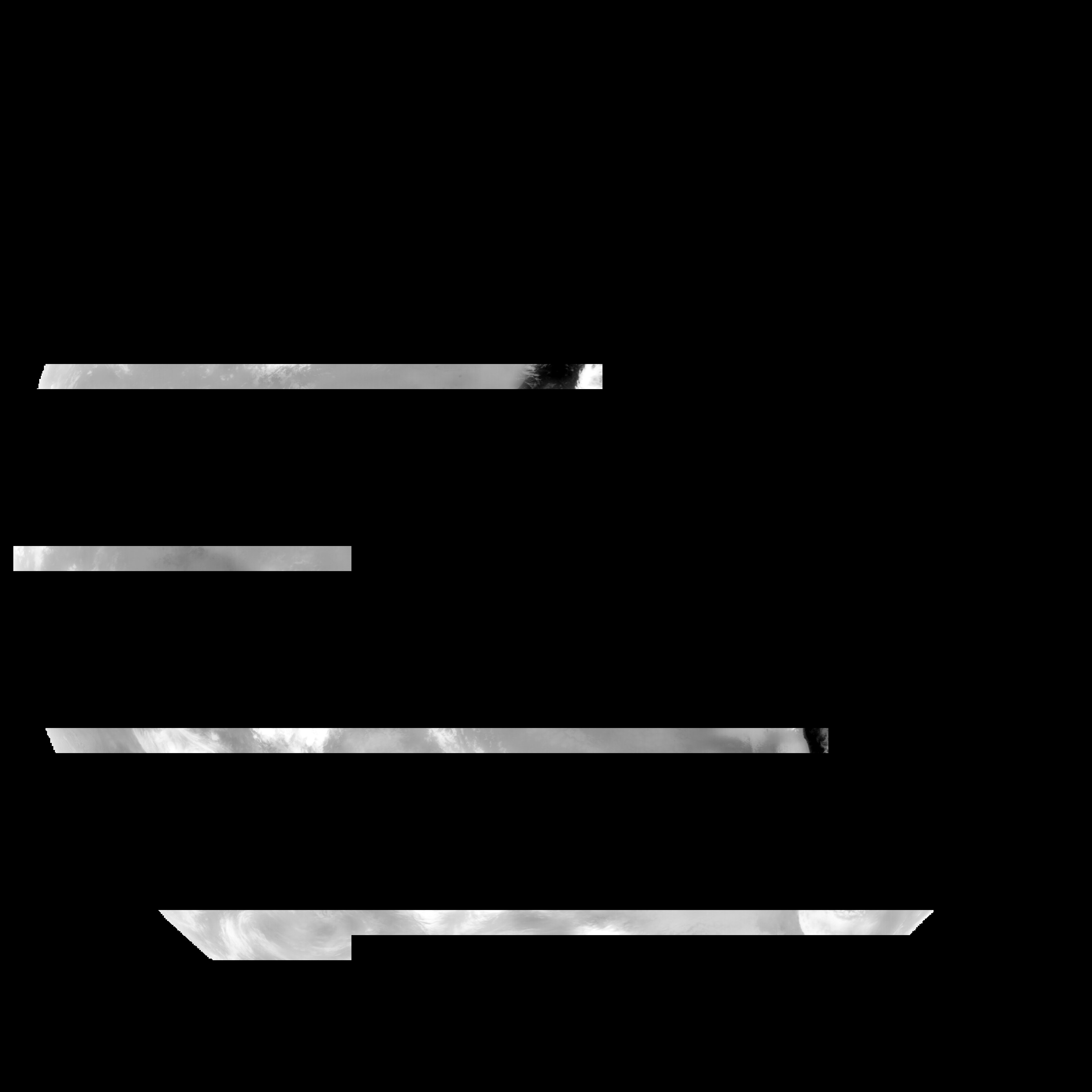
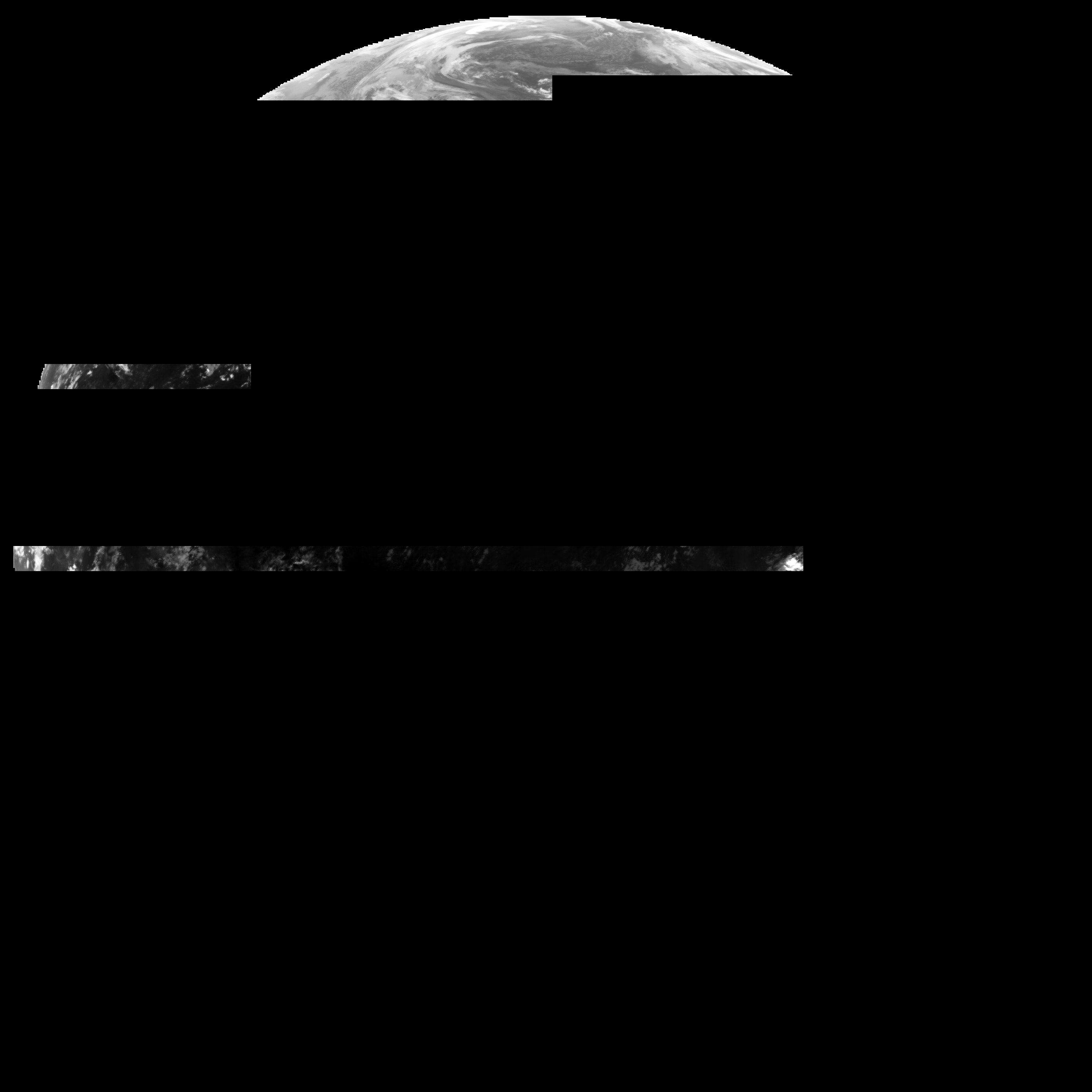
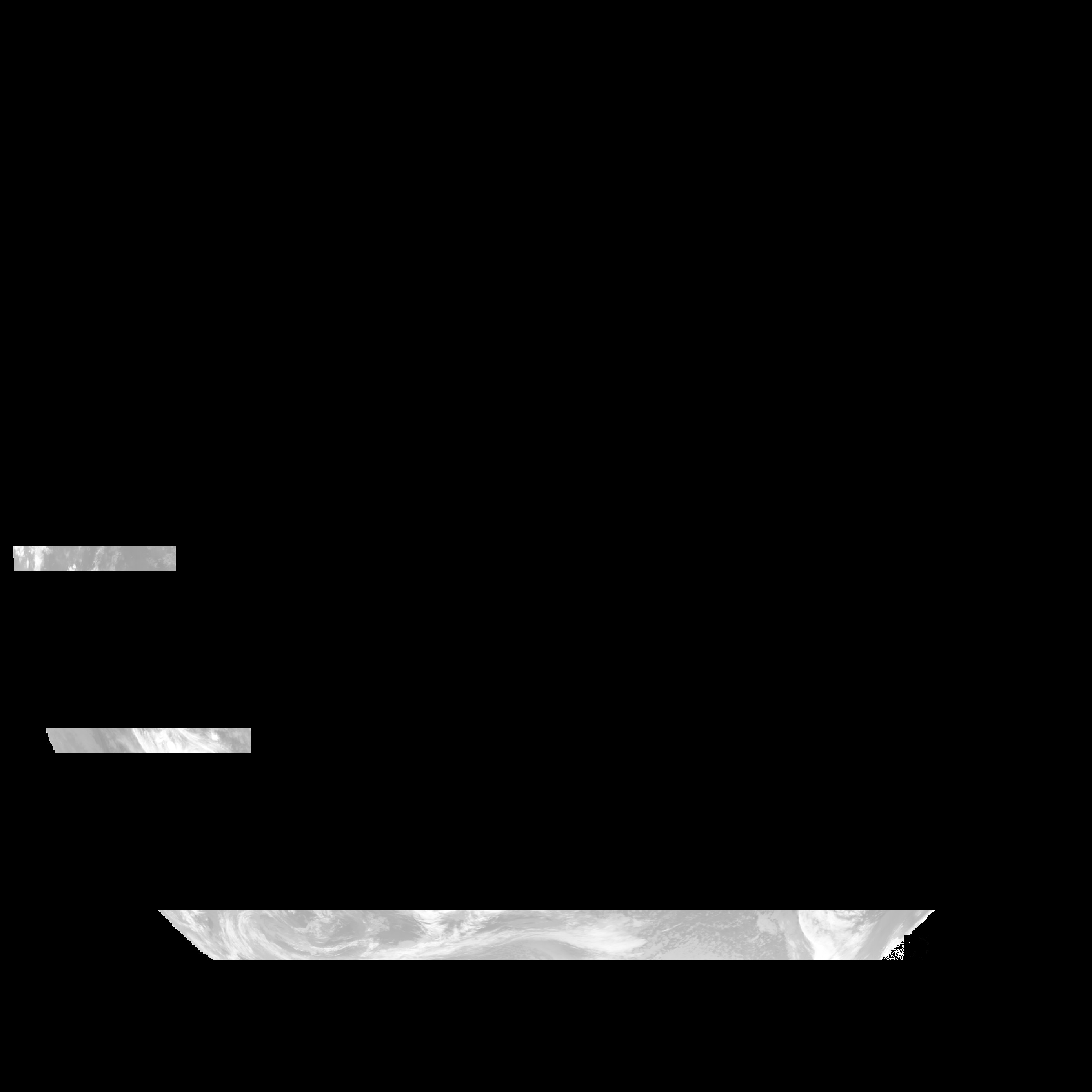
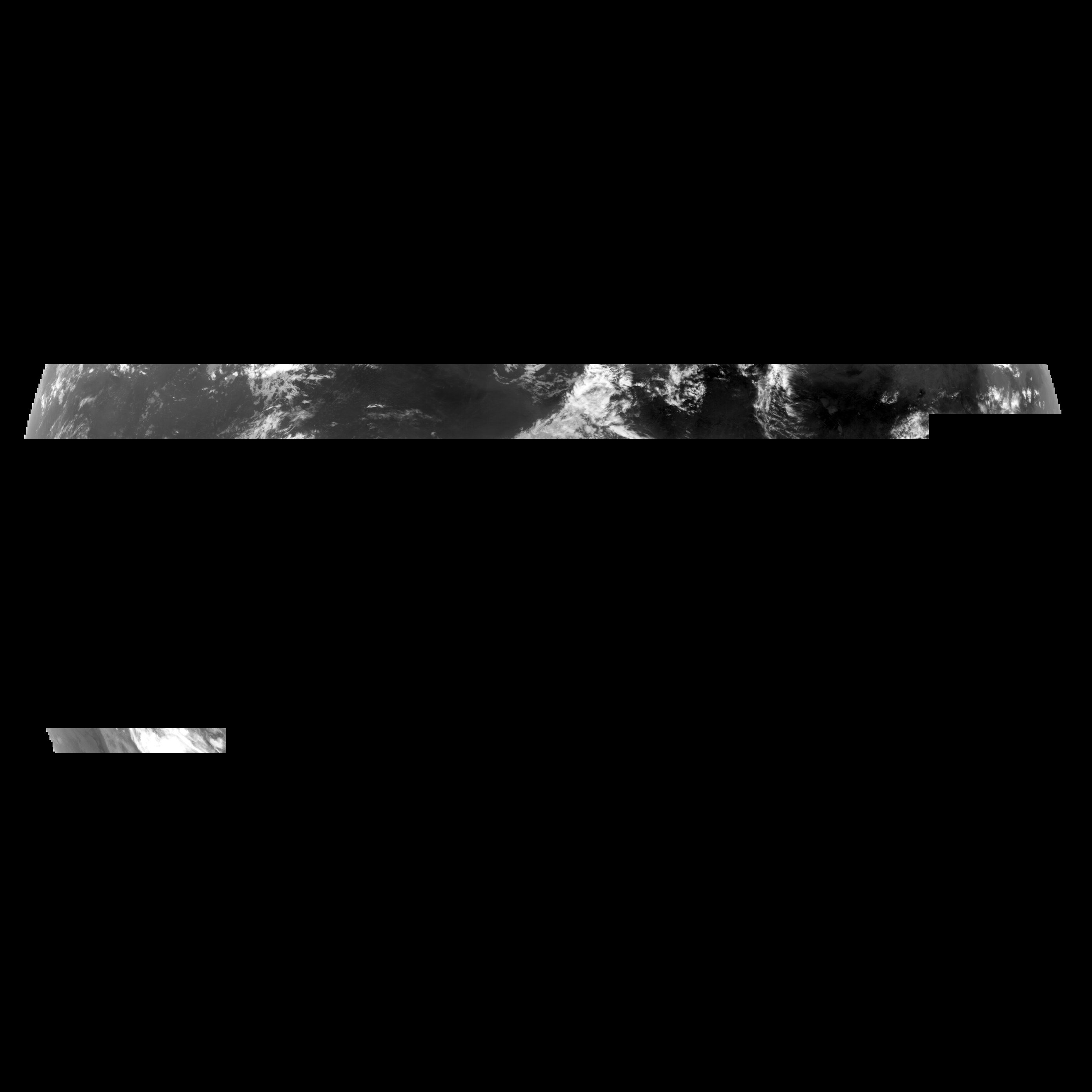
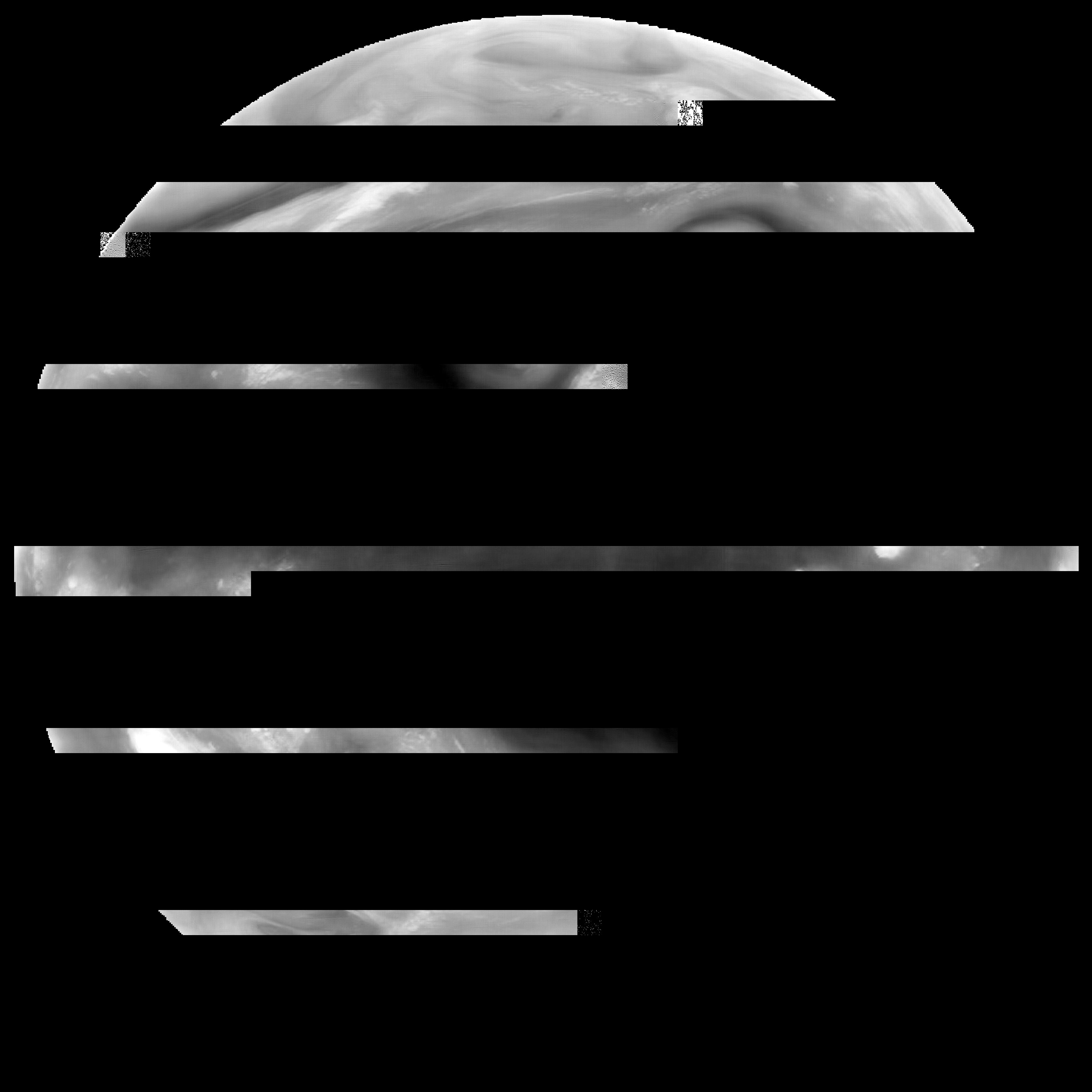
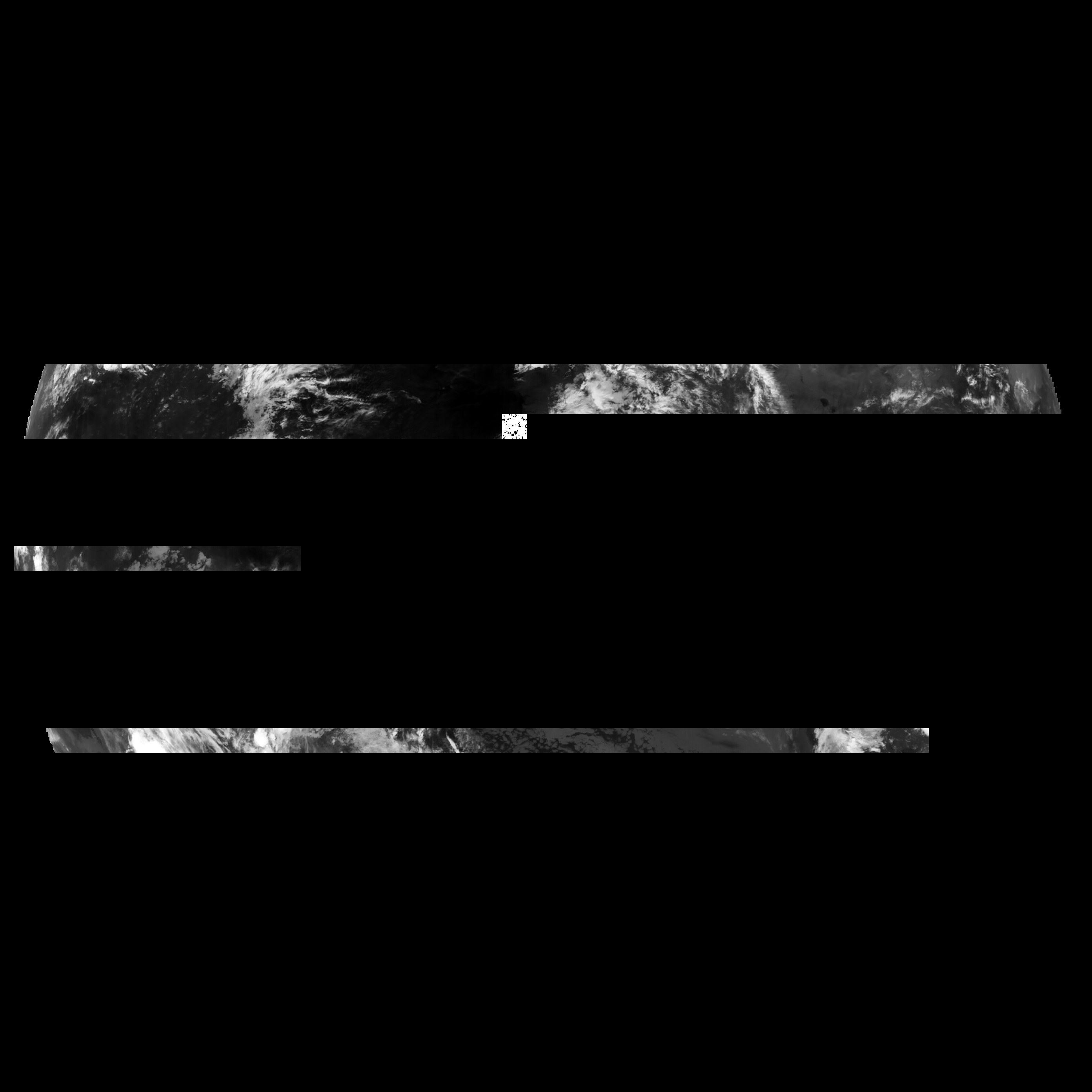
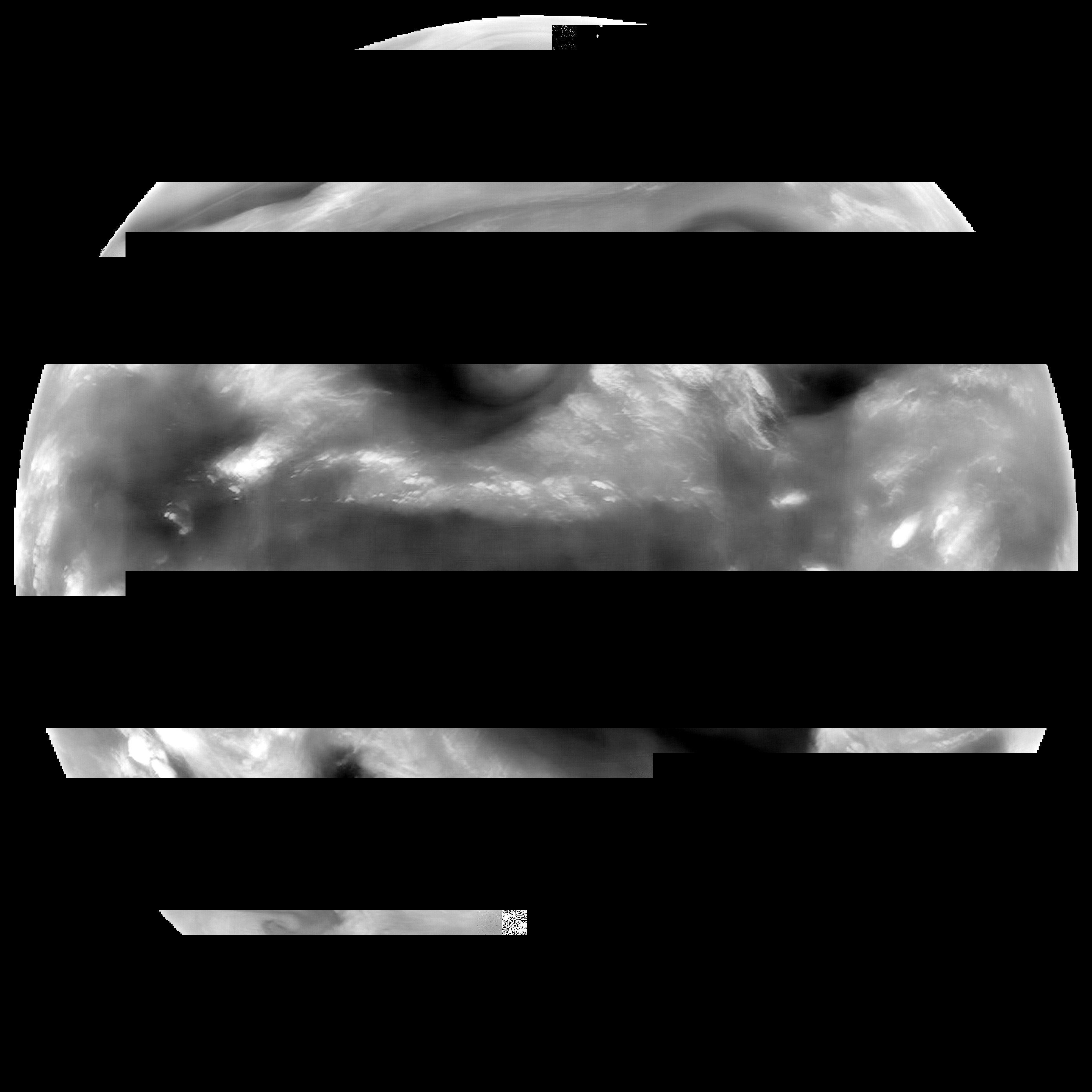
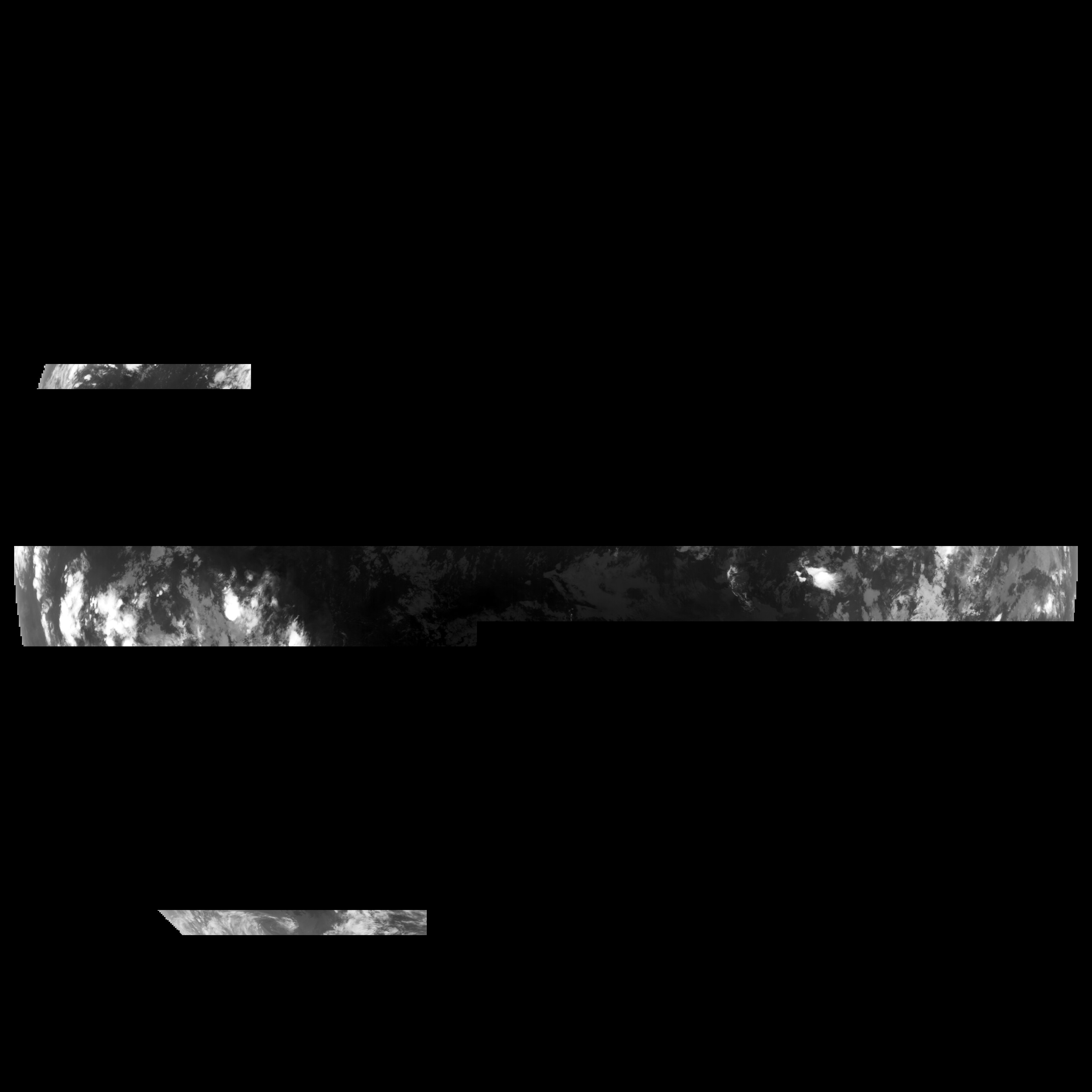
What the array decoded in the last 24 hours, combined from all stations that delivered a recording. The decodes are still partial, so the images have gaps; every additional station closes more of them.
| Slot (UTC) | Ch 10.50–0.65 µm visible | Ch 20.65–0.80 µm visible | Ch 30.80–0.90 µm near infrared | Ch 43.5–4.0 µm shortwave infrared | Ch 55.7–7.0 µm water vapour | Ch 67.5–8.5 µm infrared | Ch 78.2–9.2 µm infrared | Ch 89.2–10.2 µm ozone | Ch 910.2–11.2 µm thermal infrared |
|---|---|---|---|---|---|---|---|---|---|
| 19 Nov 12:12 3 stations (DC8PAT, OE3HWC, SQ9GOL), Es/N0 +1.6 dB, 28,568 frames |
– | – | – |  |
|
– |  |
 |
 |
| 19 Nov 09:12 3 stations (DC8PAT, OE3HWC, SQ9GOL), Es/N0 +1.8 dB, 22,877 frames |
– |  |
– |  |
 |
 |
 |
– | – |
| 19 Nov 06:12 3 stations (DC8PAT, OE3HWC, SQ9GOL), Es/N0 +2.0 dB, 20,787 frames |
– |  |
 |
– |  |
 |
 |
– | – |
| 19 Nov 03:12 3 stations (DC8PAT, OE3HWC, SQ9GOL), Es/N0 +1.9 dB, 18,506 frames |
– | – | – |  |
 |
 |
 |
– |  |
| 19 Nov 00:12 3 stations (DC8PAT, OE3HWC, SQ9GOL), Es/N0 +2.2 dB, 17,903 frames |
– | – | – | – |  |
 |
– |  |
– |
| 18 Nov 21:12 3 stations (DC8PAT, OE3HWC, SQ9GOL), Es/N0 +2.2 dB, 13,307 frames |
 |
– | – | – | – | – | – | – | – |
Rolling gallery of the last 24 hours, newest slot first; older slots drop out automatically. The percentage is the share of the Earth disk received in that channel. These are partial decodes: black bands are image segments the array could not yet receive with enough signal. Every HRIT transmission is combined from the recordings of all stations that delivered one, and published a few minutes after processing. Click any image for the full 2784 × 2784 pixel resolution. Elektro-L No.3 data: Roscosmos / SRC Planeta. Combined and decoded with SatDump.
How it works
- Record. Each station records six minutes at 1691.0 MHz, 2.4 MS/s, starting at xx:11:30 UTC, and uploads the file (1.7 GB) to the array server, where it is kept for 36 hours.
- Align. The recordings differ in start time, sample clock, carrier frequency and phase. The combiner measures all four along the transmission and corrects them, also mirrored spectra and lost USB buffers.
- Combine. The aligned recordings are added with maximum-ratio weights: the stronger a station, the more it counts.
- Decode. SatDump decodes the combination like a single recording.

At DC8PAT the HRIT recorder shares the receiver with the live LRIT decoder: one stream from the RTL-SDR feeds both, nothing is retuned. One HRIT recording looks like this:
Live dashboard
The dashboard updates every few minutes. Uploads shows which station delivered a full recording for which slot, how much data and how long after the transmission it arrived. Combiner shows the Es/N0 of each station and of the combination, how much each station contributed, how close the combination came to the ideal sum, and how many frames SatDump decoded. The dashed lines mark the decoder threshold: about +2 dB for the first frames, +3 dB for most of them. A slot is combined as soon as two stations have uploaded, and again when a further station arrives.
Coverage and stations
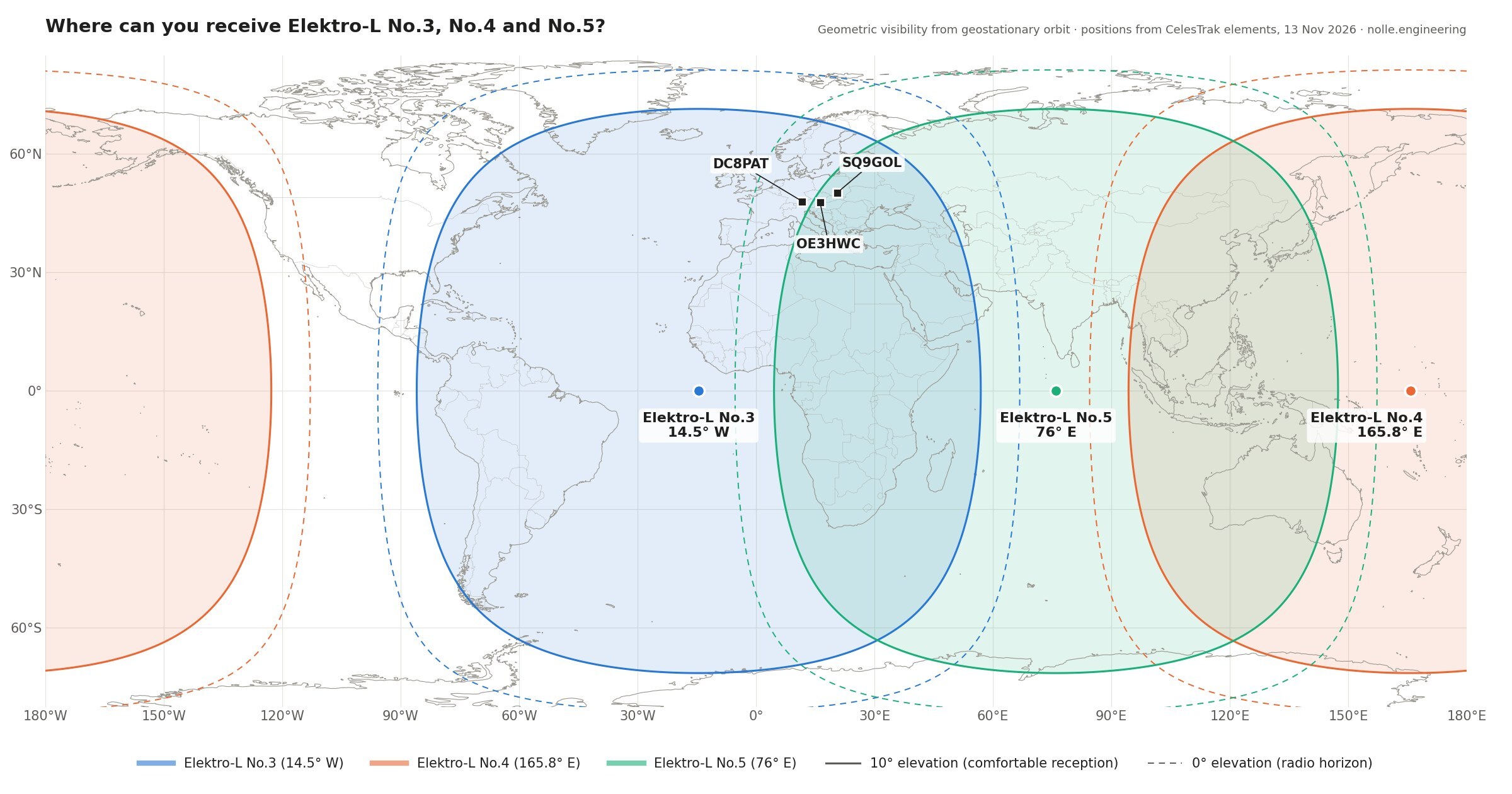
Elektro-L No.3 stands over the equator at 14.5° W and covers Europe, Africa, the Atlantic and eastern South America. The map shows its coverage next to Elektro-L No.4 and No.5, and the stations of the array so far, each at the centre of its Maidenhead locator. From central Europe the dish points south-southwest, at about 215° azimuth and 25–30° elevation.
Status
Three stations take part so far: DC8PAT (JN58ua), OE3HWC and SQ9GOL. On synthetic test recordings with real Elektro frames the combiner loses less than 0.1 dB, and four stations at −3 dB each decode together although none decodes alone. On 17 November 2026, 21:12 UTC, the array decoded real HRIT frames for the first time:
| Station | Es/N0 | Decoded frames |
|---|---|---|
| OE3HWC | −0.1 dB | none |
| SQ9GOL | −2.2 dB | none |
| Combined | +1.7 dB | 9948 frames |
Every frame has a valid header and frame counters in sequence. The combination loses 0.3 dB against the ideal sum. It still misses about half of the transmitted frames, so the image files are not complete yet; that needs about +3 dB, one more station of this size.
DC8PAT is off the air at the moment while we repair its receive chain. OE3HWC alone reaches about 0 dB, two to three dB short of the decoder threshold; two or three healthy stations together should get there, and every further station adds margin.
Join the array
Anyone with an L-band dish that receives Elektro-L3 can take part. The recorder, upload tools, combiner and documentation are on GitLab. Each station gets its own upload token; get in touch if you want one.